
"13th century coffee"
200 article(s) found

Flavor and taste of Arabica Coffee Manor Coffee beans from Bali, Indonesia
Arabica coffee is one of the most important coffee trees in the world. Arabica species (scientific name Coffee Arabica). The origin of Arabica species is Ethiopia's Abyssinia Plateau (present-day Ethiopian Plateau). In the early days, it was mainly used as medicine, and the habit of baking and drinking was developed in the 13th century. through Arabia in the 16th century

Arabica Coffee, the World's most wanted Coffee Variety, Arabica Coffee Manor
One of the most important coffee trees in the world. Arabica species (scientific name Coffee Arabica). The origin of Arabica species is Ethiopia's Abyssinia Plateau (present-day Ethiopian Plateau). In the early days, it was mainly used as medicine, and in the 13th century it developed the habit of baking and drinking. It was introduced into Europe through the Arab world in the 16th century.

The oldest cafe in the world: Napoleon used to mortgage his hat for a cup of coffee to take you back to history.
Located at 13 Rue Saint-Germain on the left bank of Paris, the cafe is 330 years old. Its die-hard fans pull out an absolute all-star lineup: Napoleon, Rousseau, Voltaire, Hemingway, Diderot, Hugo, Balzac. Almost all the celebrities of the 17th and 18th centuries drank coffee here. What does this ashes-grade cafe rely on to get through the long time?
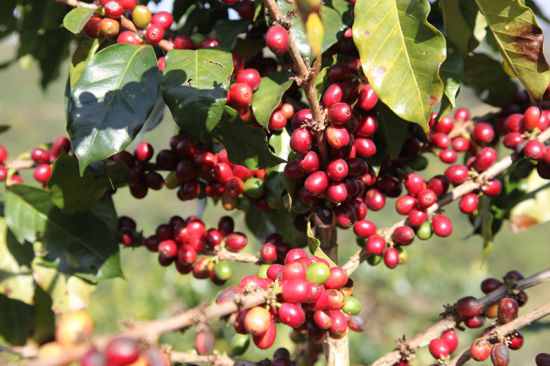
How to grow Arabica coffee beans, one of the most important coffee trees in the world?
Arabica species (scientific name CoffeeArabica). The origin of Arabica species is Ethiopia's Abyssinia Plateau (present-day Ethiopian Plateau). In the early days, it was mainly used as medicine, and in the 13th century it developed the habit of baking and drinking. It was introduced into Europe through the Arab world in the 16th century and further became a favorite drink all over the world.

Introduction to flavor description and taste treatment of coffee beans distinguished by Robusta and Arabica
Taste description of coffee beans distinguishing between Robsta and Arabica Arabica coffee beans are synonymous with Arabica. Arabica Enterprise claim Open Classification: coffee plant biology Natural Rubiaceae Arabica, (scientific name Coffea arabica, English Coffee Arabica), can also be called Arabica coffee, is Ethiopia (Ethiopia

The evolution of coffee. Growing environment and common coffee varieties
For professional baristas, please pay attention to the evolution of coffee in the coffee workshop (Wechat official account cafe_style) Coffee was first eaten by mashing the fruit and stirring the oil into balls, and then gradually evolved into juice to drink the fruit and leaves, while it was only formed in the 13th century when coffee beans were roasted and ground into powder as they are now; coffee was used in Muslim shrines in the 15th century.

What is the treatment of Kenyan coffee beans growing at an altitude of 1500 mi 2100 meters?
It was not until around the 11th century that people began to use boiled coffee as a drink. In the 13th century, Ethiopian troops invaded Yemen and brought coffee to the Arab world. Because alcohol was strictly prohibited in the Muslim world, coffee became a very important social drink at that time. The word coffee Coffee comes from the Arabic Qahwa, meaning plant drink, which later spread to Turkey and became
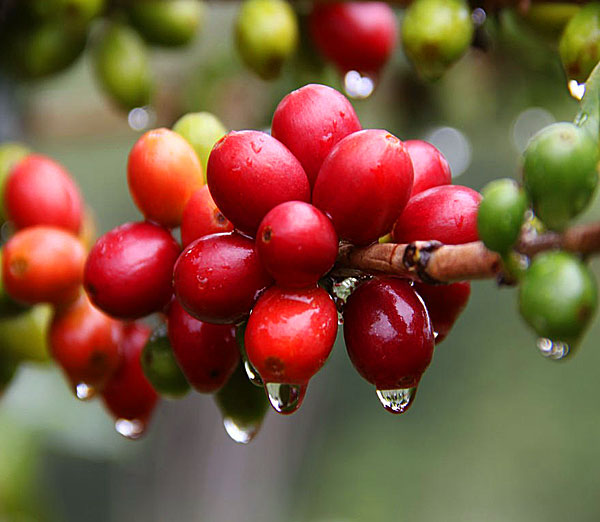
History of Arabica beans Arabica bean varieties derived from Arabica beans
The origin of the historical Arabica species (Coffea arabica) is the Abyssini Arabica sub-plateau (Abyssinia, now known as the Ethiopian plateau) in Ethiopia. In the early days, it was mainly eaten as medicine (Islamic monks used as a secret medicine to cure the body and mind or to awaken the brain), developed the habit of baking and drinking in the 13th century, and passed through the Arab region in the 16th century.

Arabica Coffee Bean Coffee Manor introduction Arabica Coffee Manor
The origin of the Arabica species (Coffea arabica) is the Abyssini Arabica subplateau (Abyssinia, now known as the Ethiopian plateau) in Ethiopia. In the early days, it was mainly eaten as medicine (Islamic monks used as a secret medicine for physical and mental therapy or for awakening the brain), developed the habit of baking and drinking in the 13th century, and passed through Allah in the 16th century.

What are the legends about the origin of coffee? which country started to produce coffee first?
According to what we have learned from textbooks today, at first the aborigines of the Ethiopian plateau of Africa tried to chew ground coffee beans to treat stomach problems. It was not until the 13th century that the aroma of roasted coffee beans gradually blew down from the vast African plateau, went on an expedition to Arabia, and quickly captivated people and became a typical drink in the Arab world. About coffee.

Coffee roasting History Coffee roasting Origin delicious coffee
The idea of roasting coffee over fire probably came from Ethiopia in the 13th century. In the following 700 years, people did not make much improvement to the roasting techniques of coffee. At that time, most people baked coffee at home or in coffee shops and made coffee directly from freshly baked beans. It was not until the mid-19th century that cylindrical coffee roasters were invented. From the first opening

Introduction to the fresh and bright Ethiopian Sidamoso Coffee Flavor Manor
Ethiopia is an ancient country with a history of 3000 years of civilization. The Hamite people who immigrated from the southern Arabian Peninsula were the earliest inhabitants. Monlinique I reigned in 975 BC. The Kingdom of Nubia was established in the 8th century BC. Around AD, the Ethiopian Empire, also known as the Aksum Kingdom, was established in Aksum in the north. Establishment of the Kingdom of Abyssinia in the 13th Century and Portugal in the 16th Century

The basic knowledge of coffee beans the origin of coffee coffee practice
The origin of Arabica species is the Abyssinia Plateau of Ethiopia (now the Ethiopian Plateau). In the early days, it was mainly eaten as medicine (Islamic couples used it as a secret medicine to cure body and mind or to awaken the brain). It developed the habit of baking and drinking in the 13th century and was introduced into Europe through the Arab region in the 16th century. It has become a favorite drink all over the world.

Introduction to the varieties of Arabica Coffee produced by the method of Manor treatment
The Grinding scale of Arabica Coffee Variety introduction of Arabica Coffee beans is synonymous with Arabica. Arabica Enterprise claim Open Classification: coffee plant biology Natural Rubiaceae Arabica, (scientific name Coffea arabica, English Coffee Arabica), can also be called Arabica coffee, is Ethiopia (Ethiopia)

Coffee life: how do you drink coffee? who invented it? who is Melotta?
Coffee played an increasingly prominent role in Europe in the 13th century. In 1980, MelittaBentz, a housewife in Dresden, was tired of drinking those bitter ground coffee every day, so she tore a piece of blotting paper from her son's notebook and drilled a few holes in the brass pot, which is known today as filter coffee. She is responsible for

What does "Arabica" mean in daily life? introduction to the characteristics of Arabica Coffee
Professional coffee knowledge exchange more information about coffee beans Please follow the coffee workshop (Wechat official account cafe_style) Arabica coffee beans are synonymous with Arabica. Arabica enterprise claim open classification: coffee plant biology natural Rubiaceae Arabica, (scientific name Coffea arabica, English Coffee Arabica), can also be called Arabica coffee, is Yesso

What are the derivatives of coffee beans? what are the main ingredients of coffee beans? what are their functions?
Professional coffee knowledge exchange more coffee bean information please follow the coffee workshop (Wechat official account cafe_style) front street-coffee bean species, ingredients brief introduction of coffee bean varieties which Arabica species (Arabica) Arabica species of origin in the Ethiopian plateau, originally used as medicine, in the 13th century formed the habit of baking, until the 16th century introduced through Arabia

A Chronicle of Coffee Development
In the 6th century, on the plateau of Abyssinia, a shepherd named Caldai drove goats to the new prairie for grazing, and accidentally found coffee fruit due to the accidental feeding of goats. In the early 10th century, Dr. Daggers, a famous doctor in Iraq, admitted and documented the pharmacological effects of coffee. This is one of the earliest valuable medical records of coffee. In the 11th century, the Arabs invented the whole

The Origin of Bali Coffee introduction to the Flavor description of planting History and Culture
Around the 10th century, Indian civilization influenced the whole of Southeast Asia and was introduced into Bali through Java, providing the embryonic form of later Balinese literature, art, social organization and politics. In the 13th century, Hindu Javanese began to rule Bali; Islam was introduced into Java in 1515, prompting a large number of Hindu monks, aristocrats, soldiers, craftsmen and artists to flee to Bali

Morphological characteristics of Coffee Tree Botanical History
There are many legends about the discovery of coffee. There is a legend that in the 13th century, there was a prince in Ethiopia who found that his camel loved to eat small oars on a bush, and he was very excited and energetic after eating it. So he also picked some small berry coffee trees (11) to taste, and finally discovered this refreshing coffee drink. Another kind of transmission